
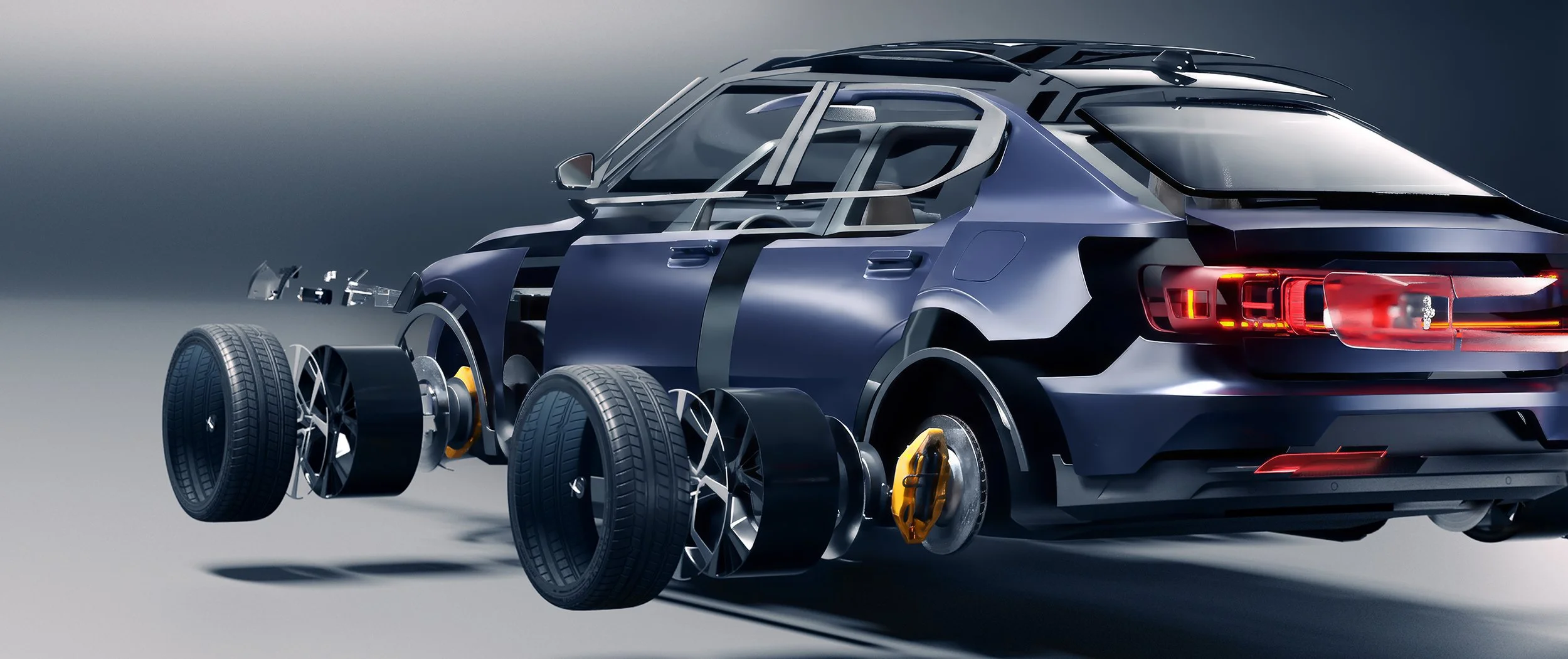
Polestar 2
Direction, Design & Animation
⎯⎯⎯⎯⎯⎯⎯⎯⎯⎯⎯⎯⎯
Photography has always been about control. Control of light. Control of composition. Control of timing.
But what happens when control becomes unlimited?
For the Polestar 2 project, we approached the car as a photographer would: studying its morphology, understanding its surfaces, exploring its hidden details. The difference is that we built the entire environment digitally. No physical studio. No weather constraints. No production limitations.
This is not about replacing photography. It is about expanding what is possible.
Below, we break down how 3D allows us to think like photographers, but create beyond real-world constraints.


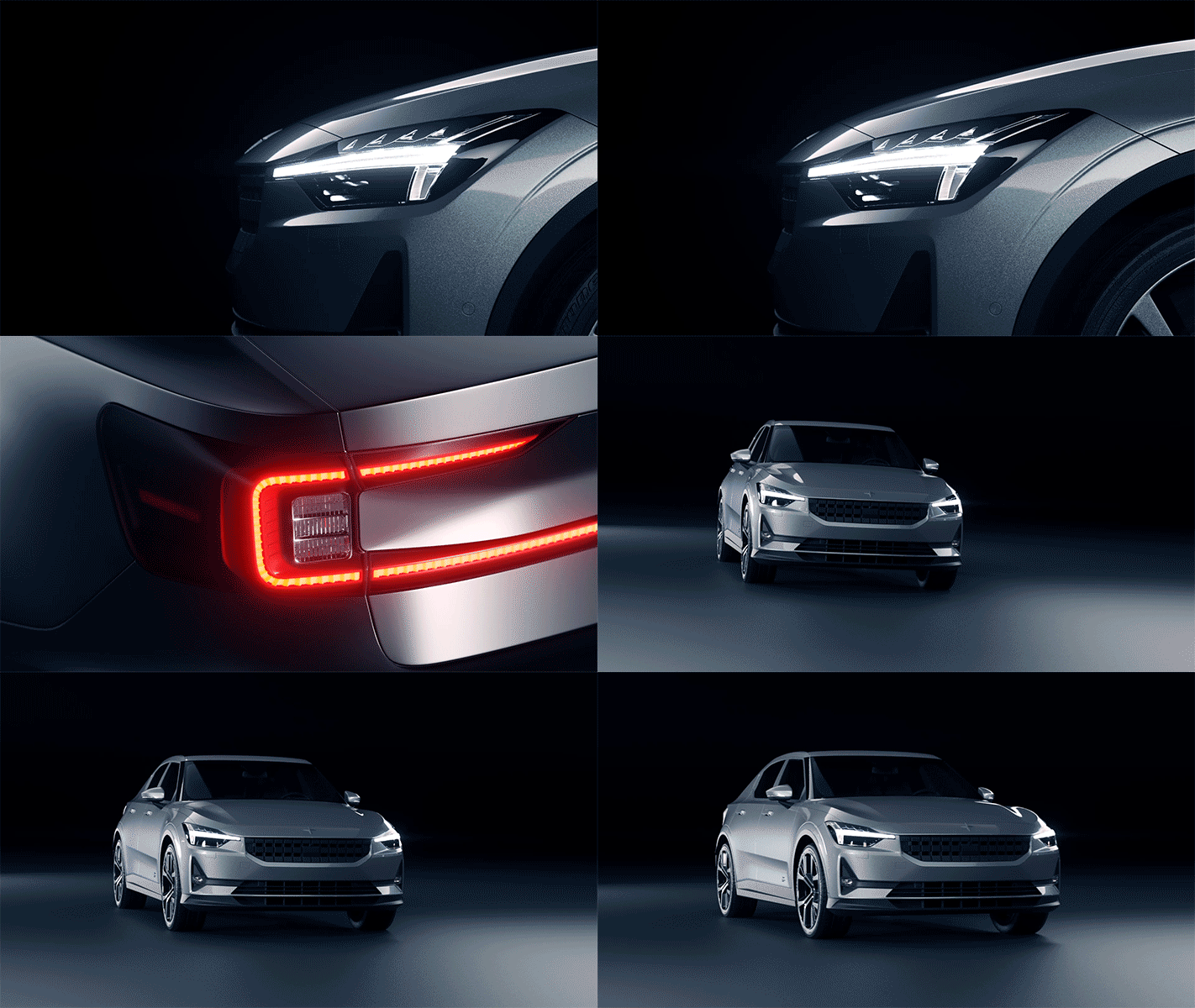
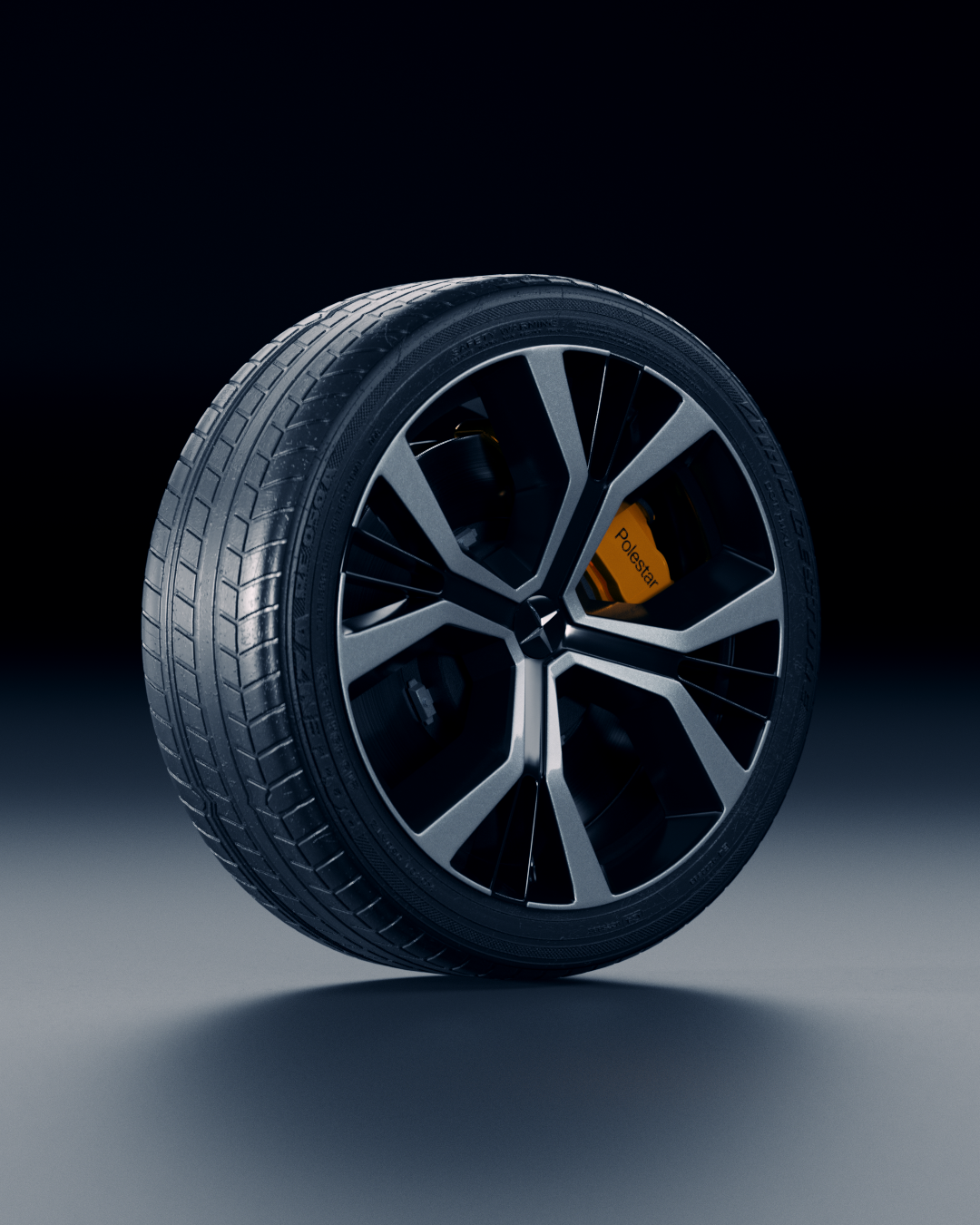

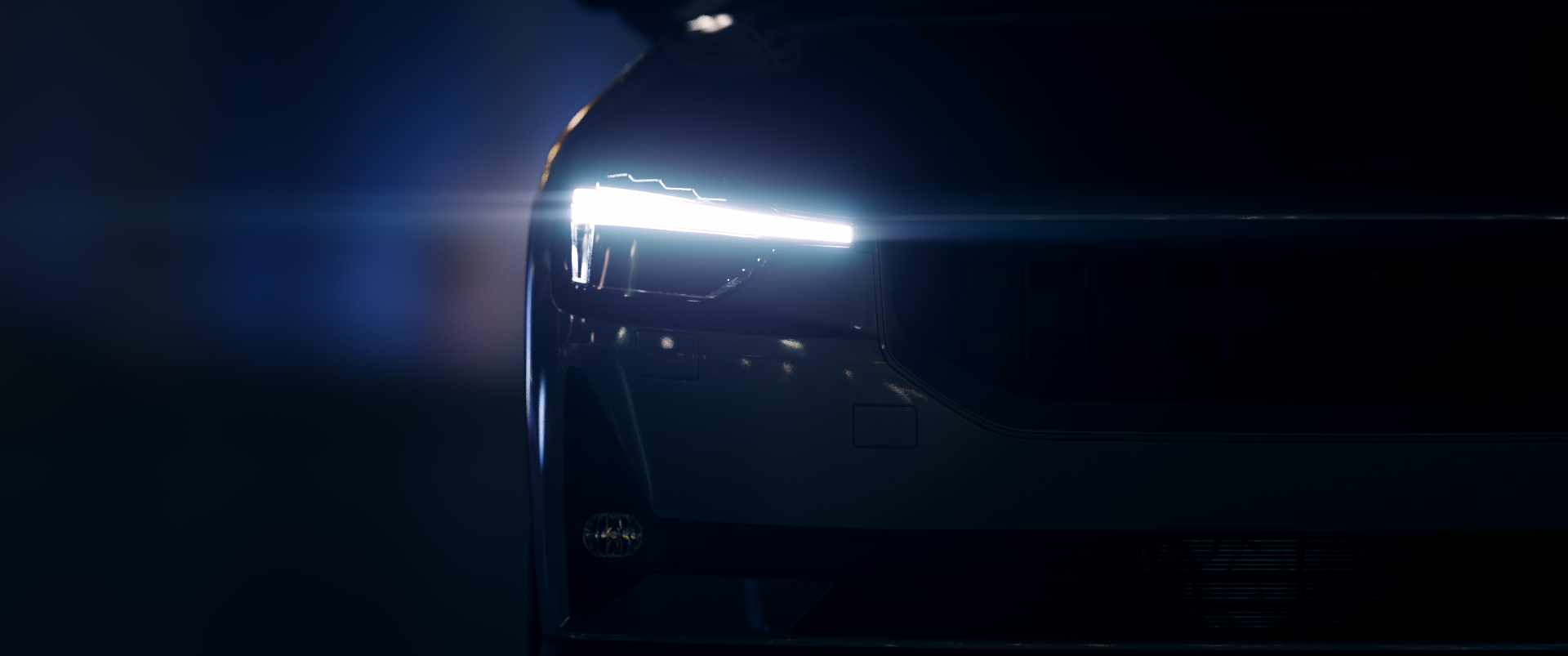
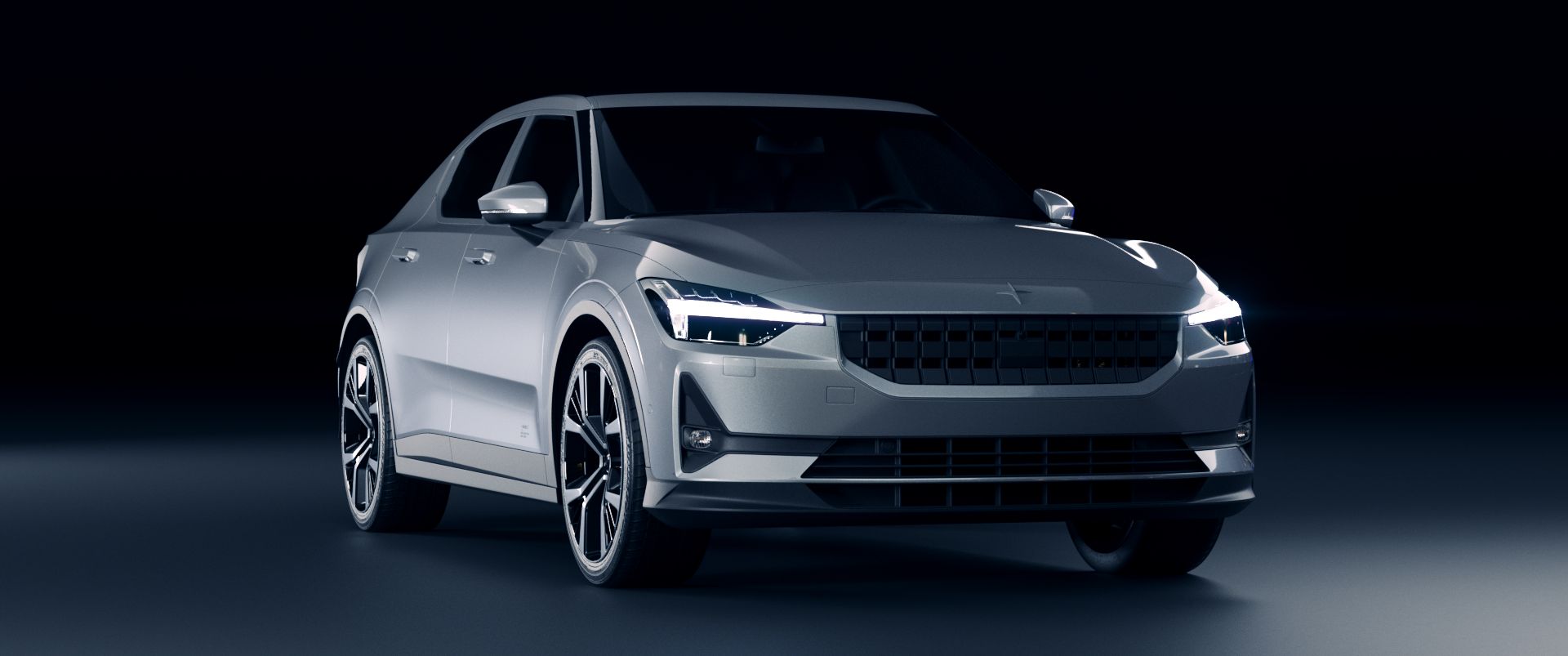
How do we like to photograph products?
-

We analyze the product.
Each product has its own characteristics. The role of the photographer is to capture the essence of that uniqueness in a compelling and sensitive way, in order to glorify the beauty and features to its maximum.
-

We understand its morphology.
The shape of a well designed object is the foundation and the key to everything else. Once we understand its morphology, we can work on composition, materials, lights and environment.
-

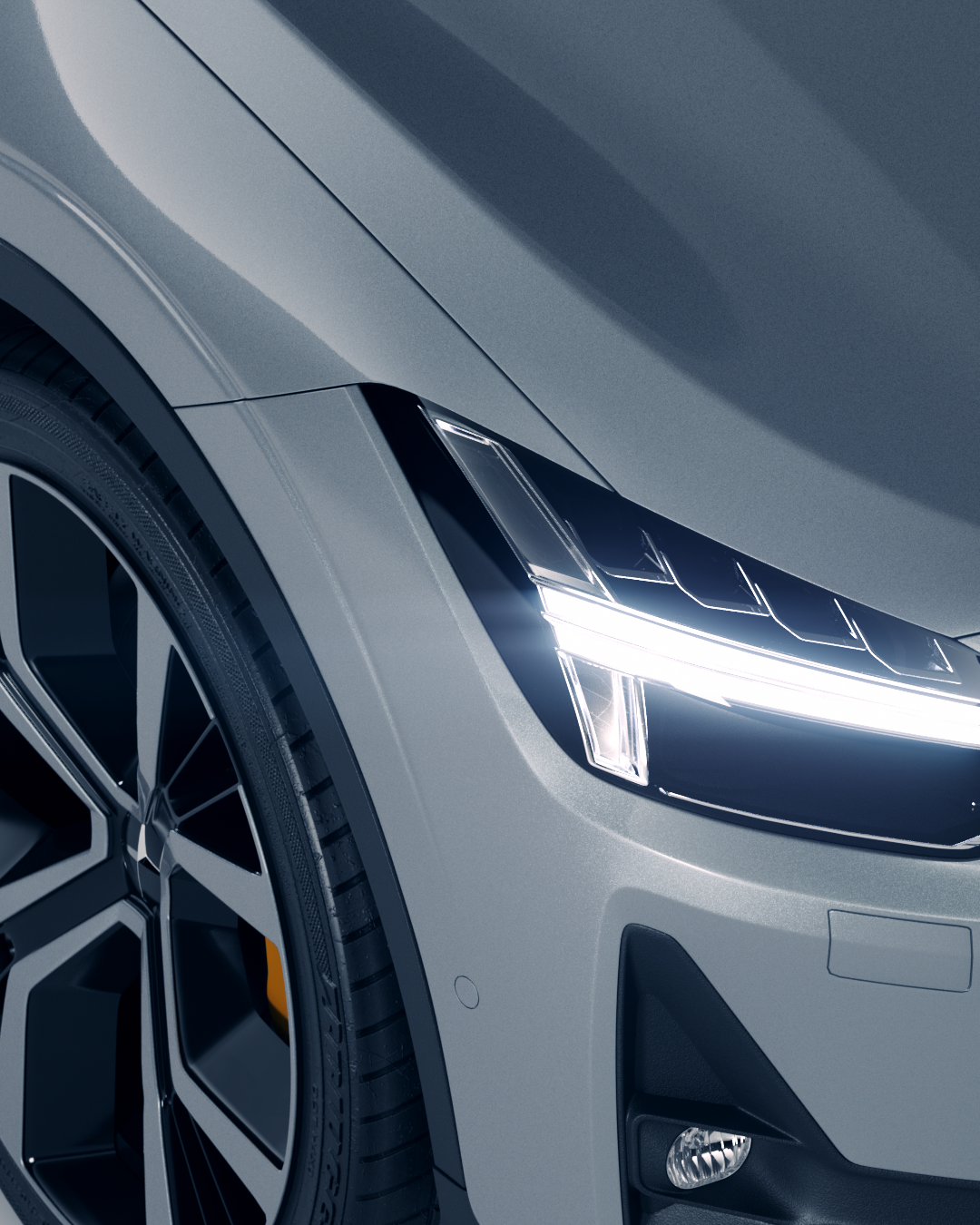
We explore unexpected corners.
When working with excellent designs like this one, the exploration of details and composition becomes broader and more interesting, as if the designers were hiding details that want to be discovered little by little.

Why 3D is better than traditional photography?
-

Customizable content
Standardization is the main advantage of computer generated imagery. Especially when a product comes in a variety of colors or sizes, the computer allows us to scale up the catalogue of content exponentially.
-

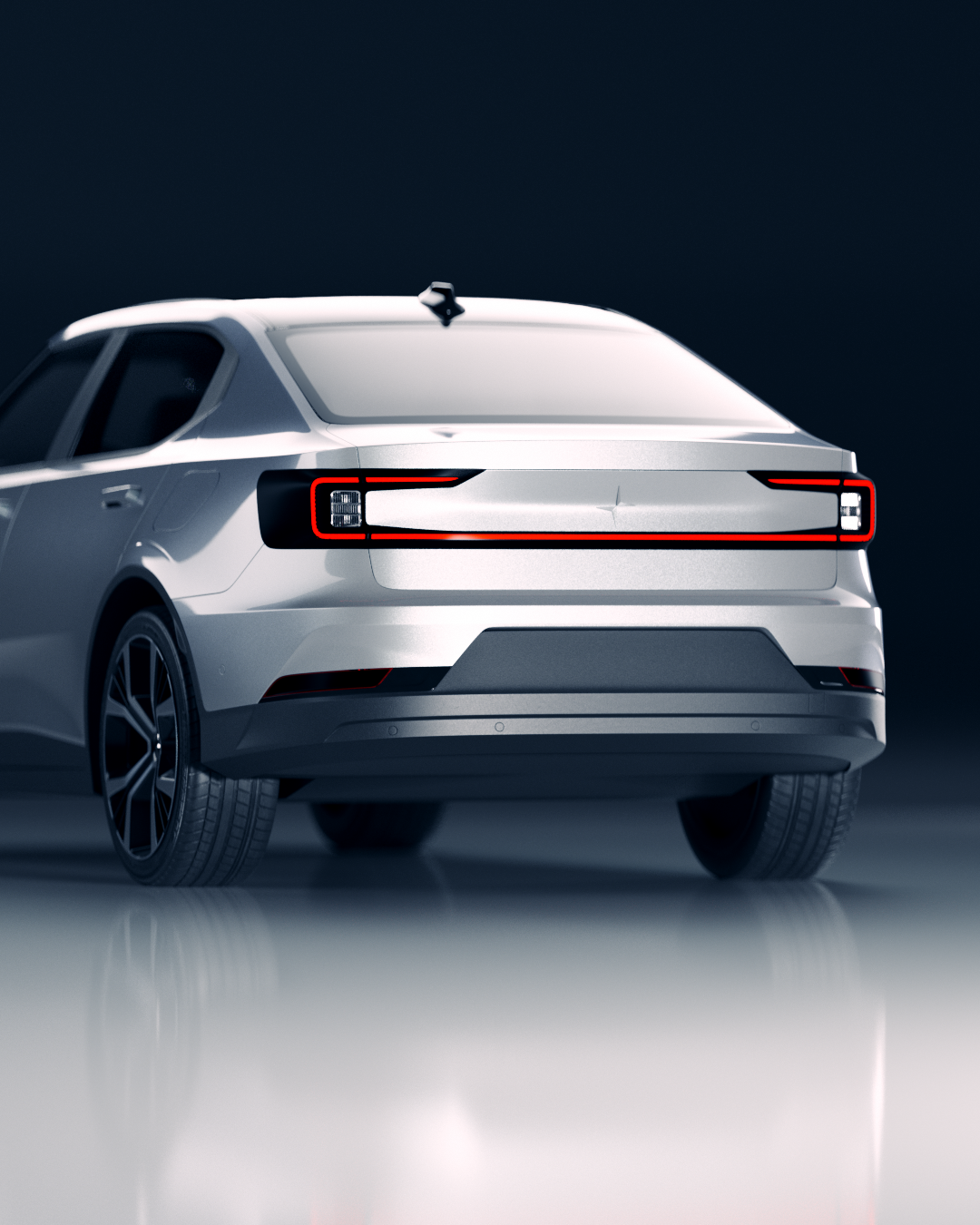
Sustainable Photography
Digital photo shooting is very powerful when it comes to revisiting previous scenes and recycling the same setup. We can shoot a product remotely from a computer, and come back to exactly the same studio several years later.
-
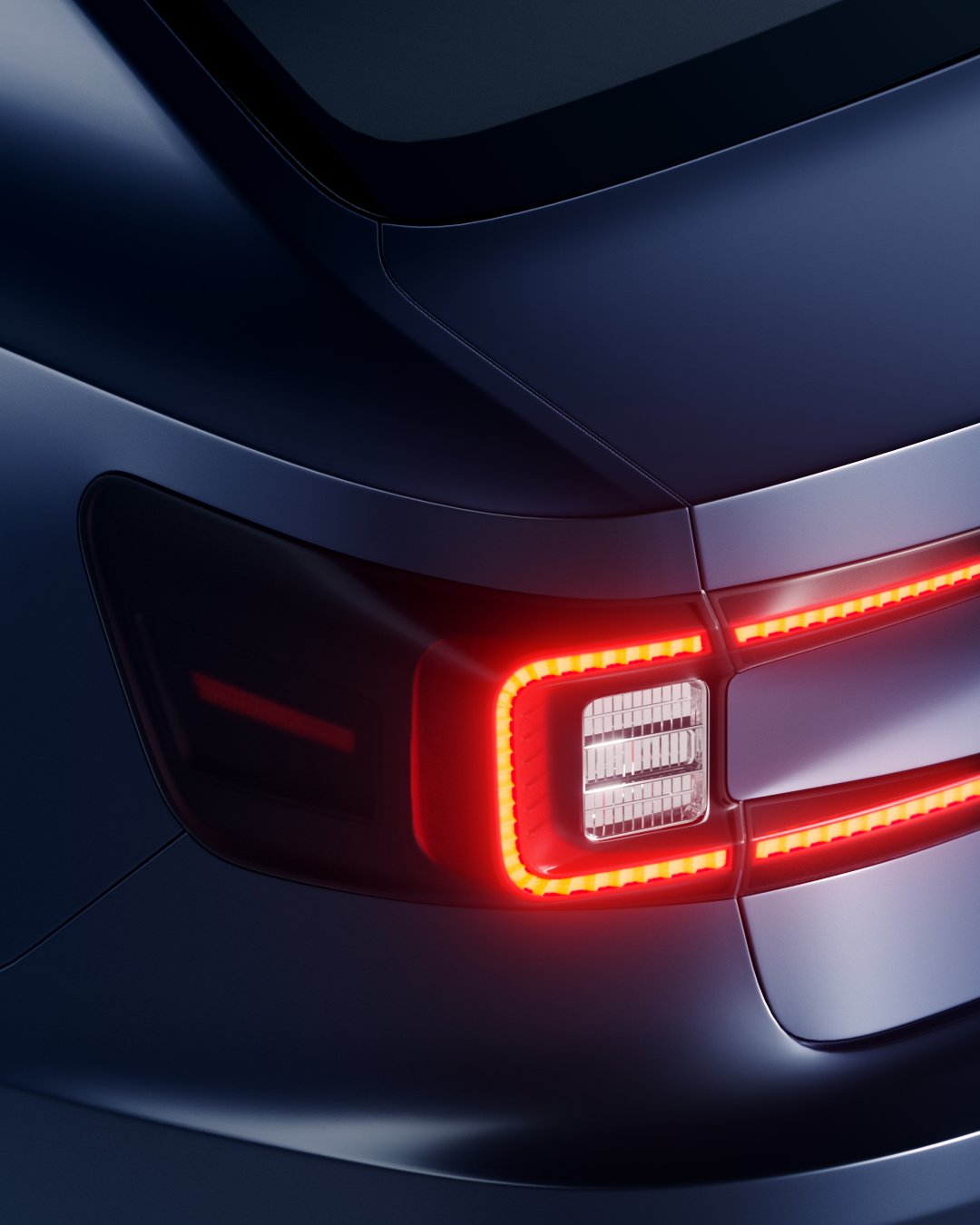
Testing the markets
Before launching the product to the market or even starting production stages, brands sometimes decide to release new variants of the product to the media first, in order to test which option is more suitable for the them.
If your product needs to be showcased in a very specific way, and you are not yet sure what that way is… If you want to explore creatively before committing to production, test multiple directions, environments, or variants… If you need consistency across markets, campaigns, and years… 3D might be the right solution for your brand.
At Glid, we approach 3D the way photographers approach light: with sensitivity, intention, and respect for the object. But we build systems instead of single shots. Digital assets that can evolve, scale, and adapt long after the first campaign is released.
If you’re curious how this could apply to your product, let’s explore it together.


Direction, Design & Animation: Glid Studio